

Braces can work wonders for your smile, but they may cause some discomfort along the way. One common issue is the canker sore from braces, a small but painful ulcer that can make chewing or talking difficult. They often appear where brackets or wires rub against the soft tissues inside your mouth. Although they typically heal on their own, the discomfort can linger. With the right care, you can reduce the chances of getting them and help your mouth stay more comfortable during treatment.
Why Braces Cause Canker Sores

Brackets, wires, and other orthodontic components create extra friction inside the mouth. The inner cheeks, lips, and tongue press against these surfaces during speaking or chewing. This friction can cause small cuts or irritations, which may lead to canker sores.
These ulcers usually develop on the soft tissues inside the mouth. They’re not contagious like cold sores but can be just as painful. Most canker sores heal on their own in about a week, but when a bracket continues to irritate the same spot, healing takes longer.
How to Spot a Canker Sore Early
Canker sores usually appear as small, round white or yellow spots surrounded by red, inflamed tissue. They may form on the inside of your lips, cheeks, or under the tongue. The pain may start even before the sore becomes visible.
Early signs include:
-
Tingling or burning feeling
-
Red patch that becomes sensitive
-
Difficulty chewing or brushing near the area
The earlier you catch these signs, the sooner you can take steps to relieve discomfort.
Preventing Canker Sores With Better Oral Habits
Keeping your mouth clean and your braces protected plays a major role in preventing sores.
Rinse Often
Use warm salt water or a mild antiseptic rinse after meals. This helps clear out food particles, reduce bacteria, and soothe irritated tissue.
Brush Gently
Use a soft-bristled toothbrush and brush gently around brackets and wires to avoid scraping your gums and cheeks.
Floss Daily
Use a floss threader or orthodontic floss picks to remove trapped food. Cleaner teeth mean fewer irritants that can trigger ulcers.
Use Orthodontic Wax
Orthodontic wax is a simple but effective way to protect the inside of your mouth. Apply a small amount of wax over any bracket or wire that causes discomfort. This smooth surface prevents rubbing and gives irritated spots time to heal.
Replace the wax frequently, especially after eating or brushing. Keep a small container in your bag or pocket for use at school or work.
Try Over-the-Counter Relief
Several products help manage pain and speed healing when a sore develops. These include:
-
Benzocaine gels or liquids (like Orajel)
-
Protective pastes that form a barrier over the sore
-
Antimicrobial rinses
Use these products as directed. They won’t cure the sore, but they reduce discomfort while your mouth heals.

Adjust Your Diet to Avoid Irritation
Some foods make canker sores worse or slow healing. Acidic, spicy, or crunchy foods are common triggers.
Avoid These Foods During a Flare-Up:
-
Citrus fruits like oranges or lemons
-
Tomato-based sauces
-
Chips, toast, or crusty bread
-
Hot peppers or salsa
Choose softer, mild-flavored meals instead. Yogurt, mashed potatoes, bananas, and smoothies can be easier to eat while your mouth is sore.
Stay Hydrated
A dry mouth increases friction between braces and soft tissues. Drinking water helps keep your mouth moist and flushes away particles that might cause irritation.
Encourage kids to drink water during meals and throughout the day. Skip soda and acidic juices while a sore is healing.
Try Lip Balm or Moisturizer
Chapped lips or dry inner cheeks can lead to more rubbing and irritation. Apply unscented lip balm throughout the day. It helps reduce contact between the lips and brackets, which lowers the risk of cuts and sores.
Consider Orthodontic Silicone Covers
For those with frequent sores, silicone guards can help. These products fit over braces and act as a soft shield. While not necessary all the time, they’re especially helpful during sports or periods of increased irritation.
Ask your orthodontist if silicone guards are right for you or your child.
Keep Stress in Check
Stress affects your body in many ways, including your mouth. Studies suggest that stress can contribute to frequent canker sores. Try calming routines like reading, stretching, or getting outside for a walk. For students, staying organized with homework and sleep can help reduce daily pressure.
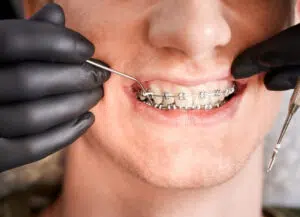
When to Call the Orthodontist
Canker sores are usually harmless, but some situations warrant professional care.
Contact your orthodontist if:
-
The sore lasts longer than two weeks
-
You see pus or severe swelling
-
Brackets or wires are clearly causing injury
-
Pain makes it hard to eat or drink
The orthodontist can adjust wires, trim sharp edges, or suggest other comfort aids.
Why Choose Glaser Orthodontics
Glaser Orthodontics in Cortlandt Manor focuses on both effective treatment and patient comfort. Dr. Barry Glaser and the team understand the challenges that come with braces, especially when dealing with sore spots. We provide helpful tips, orthodontic wax, and support to keep discomfort low and progress steady. Kids, teens, and parents across Peekskill, Montrose, and Yorktown Heights trust our approach to gentle orthodontic care.
Final Thoughts
Braces can shift teeth into place, but they also come with friction and sore spots along the way. Canker sores may appear, but that doesn’t mean your child has to endure discomfort. Simple steps like using wax, choosing soft foods, rinsing with salt water, and applying soothing gel make a big difference.
With the right habits and a few comfort tricks, kids can focus on the results instead of the irritation. Staying ahead of the pain keeps them smiling and makes treatment easier for everyone involved.
Book Your Visit With Glaser Orthodontics
For more support during orthodontic treatment or to schedule a consultation, call Glaser Orthodontics at (914) 739-6400 or visit glaserorthodontics.com. We’re here to help your family achieve straighter smiles with less stress.