

Completing your Invisalign treatment is a major milestone, but there’s one crucial step that’s easy to miss—adjusting your bite. Even with perfectly straight teeth, an uneven bite can lead to discomfort, jaw strain, or teeth shifting over time. A bite adjustment after your Invisalign treatment ensures your upper and lower teeth fit together smoothly, helping to maintain your smile’s stability long after treatment. Paying attention to how your bite feels now can make all the difference in the future.
Why Your Bite Matters After Invisalign
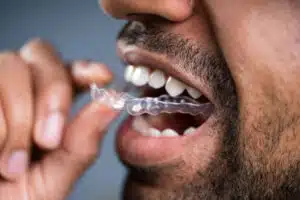
Invisalign does more than straighten teeth. It also helps align your bite for optimal function. A properly balanced bite ensures your upper and lower teeth fit together comfortably when you chew or close your mouth. If your bite feels uneven after treatment, it could lead to discomfort, excessive wear on certain teeth, or even jaw pain.
As your teeth shift into their new positions, your bite may feel strange at first—this is normal. Your jaw muscles and teeth need time to adjust. In some cases, minor refinements are necessary to perfect your bite and ensure long-term stability.
What a Bite Adjustment Involves
Your orthodontist may use a few different methods depending on your needs.
Common techniques include:
-
Polishing small areas of enamel (called occlusal equilibration)
-
Monitoring bite position with paper or sensors
-
Making minor clear aligner refinements
-
Using retainers to fine-tune final placement
These small changes help balance pressure across your teeth and prevent future complications.
Signs You May Need a Bite Adjustment
While some patients feel great right after finishing Invisalign, others notice subtle signs that their bite isn’t quite right. If you experience any of the following, you may need a bite adjustment:
-
Your teeth don’t meet properly when biting down
-
Soreness, tightness, or tension in your jaw
-
Clicking or popping sounds when opening or closing your mouth
-
Discomfort while eating
-
Uneven pressure on certain teeth
-
Headaches linked to jaw tension
If you notice any of these issues, tell your orthodontist promptly. A simple adjustment can prevent long-term problems and ensure your smile stays comfortable and stable.
The Role of Retainers in Bite Stability
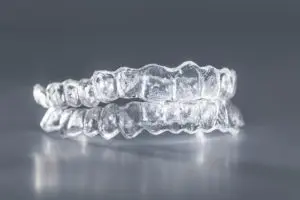
Retainers are essential for maintaining the position of your teeth after Invisalign treatment. Since teeth naturally tend to shift particularly in the first few months, retainers help stabilize them while your gums and bone adjust to their new alignment.
There are two main types of retainers:
Clear Plastic Retainers
These look like Invisalign trays and fit snugly over your teeth. You wear them nightly to keep your teeth properly aligned.
Fixed Retainers
Fixed retainers use a small wire bonded to the back of your front teeth. They stay in place full-time and help prevent movement.
Your orthodontist will guide you on how long and how often to wear retainers.
What Causes a Bite to Shift After Invisalign?
Even with proper care, small bite changes can happen after Invisalign. This often results from natural forces and habits.
Common causes of bite shift:
-
Skipping or stopping retainer use
-
Grinding or clenching teeth
-
Growth or hormonal changes in younger patients
-
Wisdom teeth crowding nearby areas
-
Chewing pressure
Your orthodontist may recommend follow-up visits to catch these changes early. That makes adjustments easier and more effective.
What to Expect During a Bite Adjustment Appointment
If your bite needs fine-tuning, your orthodontist will examine your teeth, check your bite, and ask about symptoms. You may also be asked to bite down on special paper that marks where pressure hits hardest.
Your orthodontist may then smooth out high spots using a gentle polishing tool. This doesn’t damage your teeth and often brings fast relief. In some cases, the doctor might suggest using a new set of aligners for minor repositioning.
The visit usually lasts under an hour, and many patients notice improvement immediately.
Keeping Your Bite Healthy in the Long Run
Bite stability depends on more than just orthodontics. Everyday habits affect how your teeth settle and stay in place.
Tips for long-term bite health:
-
Wear retainers as instructed
-
Avoid biting hard items like ice or pens
-
Get regular dental checkups
-
Report discomfort or shifting early
-
Manage stress to reduce clenching and grinding
Small actions go a long way when it comes to maintaining the results you worked for.
FAQ
Who can I see for follow-up care to fix my bite after aligner treatment?
You should see an orthodontist for follow-up care after aligner treatment. An orthodontist can evaluate your bite, check tooth alignment, and recommend refinements, additional aligners, or other adjustments if needed.
Who offers follow-up plans for bite correction after aligners?
Orthodontic clinics that provide Invisalign or clear aligner treatment typically offer follow-up plans for bite correction. These plans may include refinement aligners, bite adjustments, or retainers.
What are Invisalign treatment adjustments?
Invisalign treatment adjustments include refinement aligners, bite corrections, attachment changes, or small modifications made during or after treatment to improve alignment and bite balance.
Is an uneven bite after Invisalign normal?
An uneven bite after Invisalign can happen in some cases, especially near the end of treatment. This usually means refinements or minor adjustments are needed to properly align the bite.
What should I do if my bite feels uneven after aligner treatment?
If your bite feels uneven, contact your orthodontist. They may recommend additional aligners, bite adjustments, or short-term corrections to improve comfort and function.
Are there follow-up plans for bite correction after aligners?
Yes, many orthodontists offer follow-up plans after aligner treatment. These plans help correct bite issues that may remain after the initial series of aligners.
What follow-up care is needed for bite issues after aligner treatment?
Follow-up care may include bite evaluation, refinement aligners, retainers, or targeted orthodontic adjustments to ensure proper tooth contact and long-term stability.
Is it normal for your bite to be off with Invisalign?
A slightly off bite can occur during or after Invisalign treatment. This is often temporary and can usually be corrected with refinements or bite adjustments.
If your bite feels uneven, what dentist adjustment is needed?
If your bite feels uneven, an orthodontist may recommend aligner refinements, reshaping of attachments, or minor bite corrections to improve alignment.
Can you have an uneven bite after braces?
Yes, an uneven bite after braces can occur in some cases. Follow-up orthodontic care helps fine-tune the bite and improve overall alignment.
What If Bite Issues Appear Years Later?
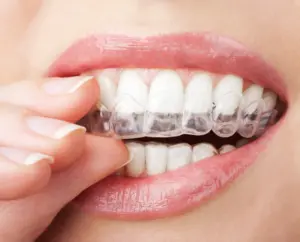
Some patients notice bite problems long after they finish their Invisalign treatment. These shifts may happen slowly and go unnoticed for some time. Then retainers may stop fitting, or certain teeth may start to feel pressure.
If that happens, don’t panic. Many orthodontists offer refinement options, such as short aligner touch-up treatments or adjustments.
Why Patients Trust Glaser Orthodontics
Glaser Orthodontics in Cortlandt Manor helps patients complete their Invisalign journey with confidence. Dr. Barry Glaser uses advanced technology to monitor bite alignment and guide each patient through their post-treatment phase. With flexible options, customized retainers, and hands-on support, patients get lasting results they can count on.
We serve families across Peekskill, Yorktown Heights, Montrose, and nearby areas. Our team takes the time to answer questions and make sure your smile stays healthy and stable after Invisalign ends.
Why You Should Not Ignore Bite Shift Issues
Invisalign can give you a straighter smile, but long-term stability comes from how you maintain it. With the right follow-up care, you can keep that smile looking great for years to come.
Schedule a Bite Check With Glaser Orthodontics
If you’ve recently completed Invisalign treatment and want to make sure your bite feels right, call Glaser Orthodontics at (914) 739-6400 or visit glaserorthodontics.com. We’ll help you protect your results and keep your bite balanced.